

At its final in-person E-rate training of the year, USAC told attendees that new sites added to an existing WAN must be competitively bid, even when the current contract allows sites to be added.
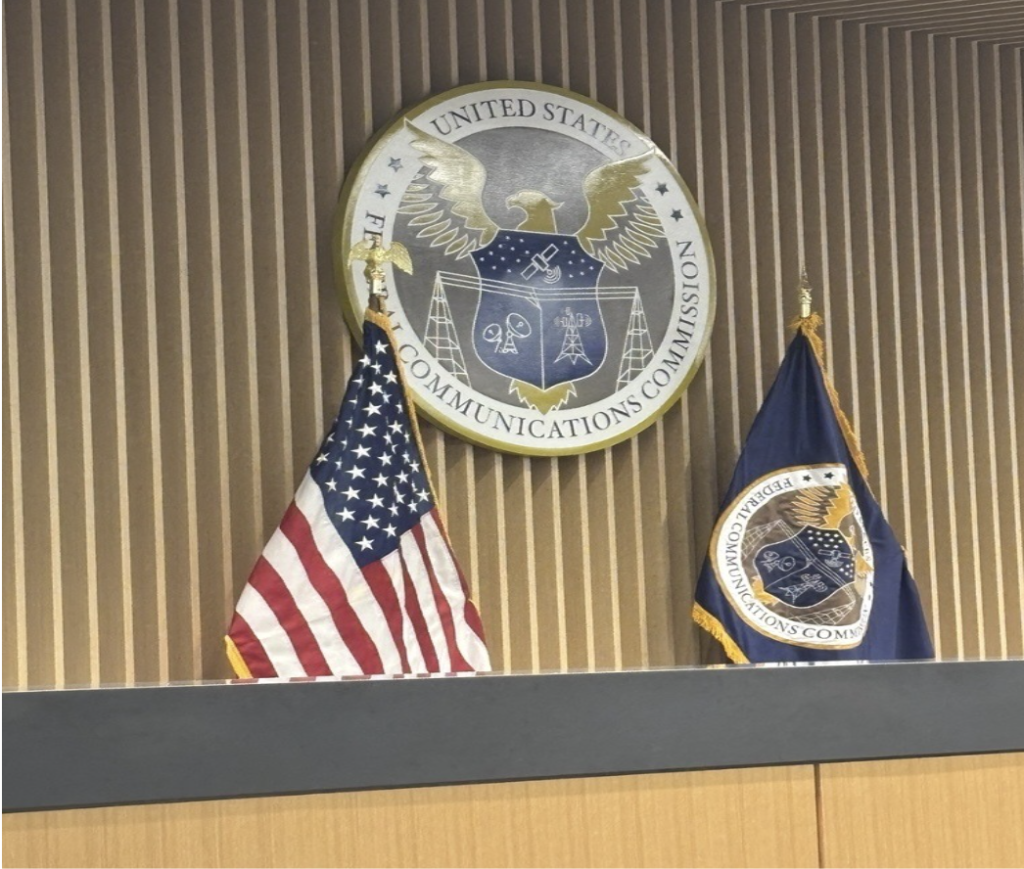
USAC held its second and final in-person E-rate training of 2026 on September 24 at Federal Communications Commission headquarters in Washington, D.C. The session followed USAC’s September 15 training in Phoenix. USAC had announced that the presentation content would be identical at both locations, giving more program participants an opportunity to attend in person.
The D.C. agenda covered Funding Year 2026 and 2027 program updates, competitive bidding, the FCC Form 471 application process, audits, invoicing, and online training resources. It also included a listening session focused on improving E-rate administration, and time for USAC subject matter experts to address questions submitted by attendees.
While many of the topics were familiar, one competitive bidding discussion stood out because of its potential impact on applicants with wide area network, or WAN, funding requests.
Adding a Site to a WAN Requires Competitive Bidding
During the D.C. training, USAC told attendees that when an applicant adds a site to a WAN funding request, the additional site must be competitively bid. USAC further stated that this requirement applies even when the applicant’s existing contract includes language allowing sites to be added during the contract term.
Contract authority to add a location is not enough on its own to satisfy E-rate competitive bidding requirements for that site. The applicant must include the additional site in an FCC Form 470 competitive bidding process.
This comes up when a district or library system opens a new building, relocates a facility, or needs to extend WAN service somewhere it was not originally procured.
Key takeaway: If a new site is being added to a WAN FRN, plan for an FCC Form 470 competitive bidding process, even if the current contract permits additional sites.
Why a Multi-Year Contract Does Not Cover a New Site
USAC’s published competitive bidding guidance explains that applicants generally do not need to post a new FCC Form 470 each year for services provided under a multi-year contract that resulted from a completed competitive bidding process. The discussion at the D.C. training addressed a narrower issue: whether a new location may be added to that existing arrangement without a separate competitive bidding process.
USAC’s answer at the training was no, with an exception noted for statewide consortia. Even if the contract anticipates future growth and permits the addition of sites, the new location must still be competitively bid for E-rate purposes.
The discussion prompted several follow-up questions from attendees, and additional clarification may be needed. For now, plan around what USAC said at the training. If you want to minimize risk, bid the new site and leave enough runway for the Form 470 process and the 28-day waiting period.
What Applicants Should Do Now
Applicants with WAN services should review both their anticipated site changes and their procurement timelines. In particular, applicants should:
- Identify any new or relocated sites that may need WAN service during the upcoming funding year.
- Determine whether each location was included in the original competitive bidding process.
- Avoid relying only on contract language that permits sites or services to be added.
- Allow sufficient time to post an FCC Form 470, complete the competitive bidding process, evaluate responsive bids, and document the selection.
- Retain the bidding records that support the applicant’s decision and the resulting funding request.
Also Covered: The Bidding Portal, Form 486 Sunset, and Invoicing
The WAN discussion was part of a full day of E-rate training. USAC’s published agenda included updates concerning FCC Form 498 and SAM.gov, invoicing and FCC Form 471, the anticipated competitive bidding portal, and sunsetting of FCC Form 486.
The competitive bidding presentation addressed the FCC Form 470 process, service provider participation, contracts and requests for proposals, vendor communications, bid evaluation, competitive bidding exemptions, and requirements for leased dark fiber and self-provisioned networks. USAC also reviewed the FCC Form 471 process, funding requests, application review, and funding commitments.
Later sessions focused on audit and assurance processes, invoicing, record retention, Open Data, and the training materials available through USAC’s website, webinars, and e-learning modules. The agenda also included an “Improving E-Rate” listening session for attendees to discuss what is working and where program administration could improve.
What to Fix Before Funding Year 2027 Planning Starts
With USAC’s two 2026 in-person training sessions complete, applicants are turning their attention to Funding Year 2027 planning. The training was a reminder that the forms are the last step. Procurement decisions, contract terms, site-level service plans, and filing timelines all have to line up before the forms do.
If you have WAN funding requests, act on this now. USAC treats adding a site as a competitive bidding question, not a contract administration question.
Applicants should evaluate anticipated site changes early and seek guidance before adding a new location to an existing WAN funding request.
Funds For Learning helps schools and libraries understand E-rate requirements, plan procurements, and maintain documentation throughout the funding process. Request a consultation today.
About the Author: Verlyne Jolley is a Director at Funds For Learning with more than 20 years of experience helping schools and libraries navigate the E-rate program. Her work focuses on regulatory compliance, program administration, and helping applicants understand and adapt to evolving FCC and USAC requirements.